Wrinkle Treatment & Injectables
PRP Autologous Blood Treatment
Regenerative treatment using your own blood

At a Glance
In Brief
Regeneration from your own blood
Treatment Duration
Approx. 60 minutes
Pain
Usually mild, fine needles
Anaesthesia
Numbing cream if needed
Downtime
Daily routine usually resumed quickly
Results
First changes after 2–4 weeks, complete after 6 weeks
Duration of Effect
Around 6–12 months, varies
Sessions
Often 3, at 4-week intervals
Price
From CHF 500
Part of our protocol Anti-Aging 360° · Hydra Revival
In PRP autologous blood treatment, platelet-rich plasma (PRP) is obtained from a small amount of your own blood. This prepared plasma is then injected into the skin using fine needles. The growth factors it contains stimulate the body's own regenerative processes and can help to improve skin quality.
The treatment is mainly an option if you would like to refine skin texture, soften fine lines or improve skin firmness. Typical areas are the face, neck and décolleté, and PRP can also be used for acne scars. During your consultation, a doctor assesses whether PRP is suitable for you, which areas will be treated and where the limitations of the method lie.
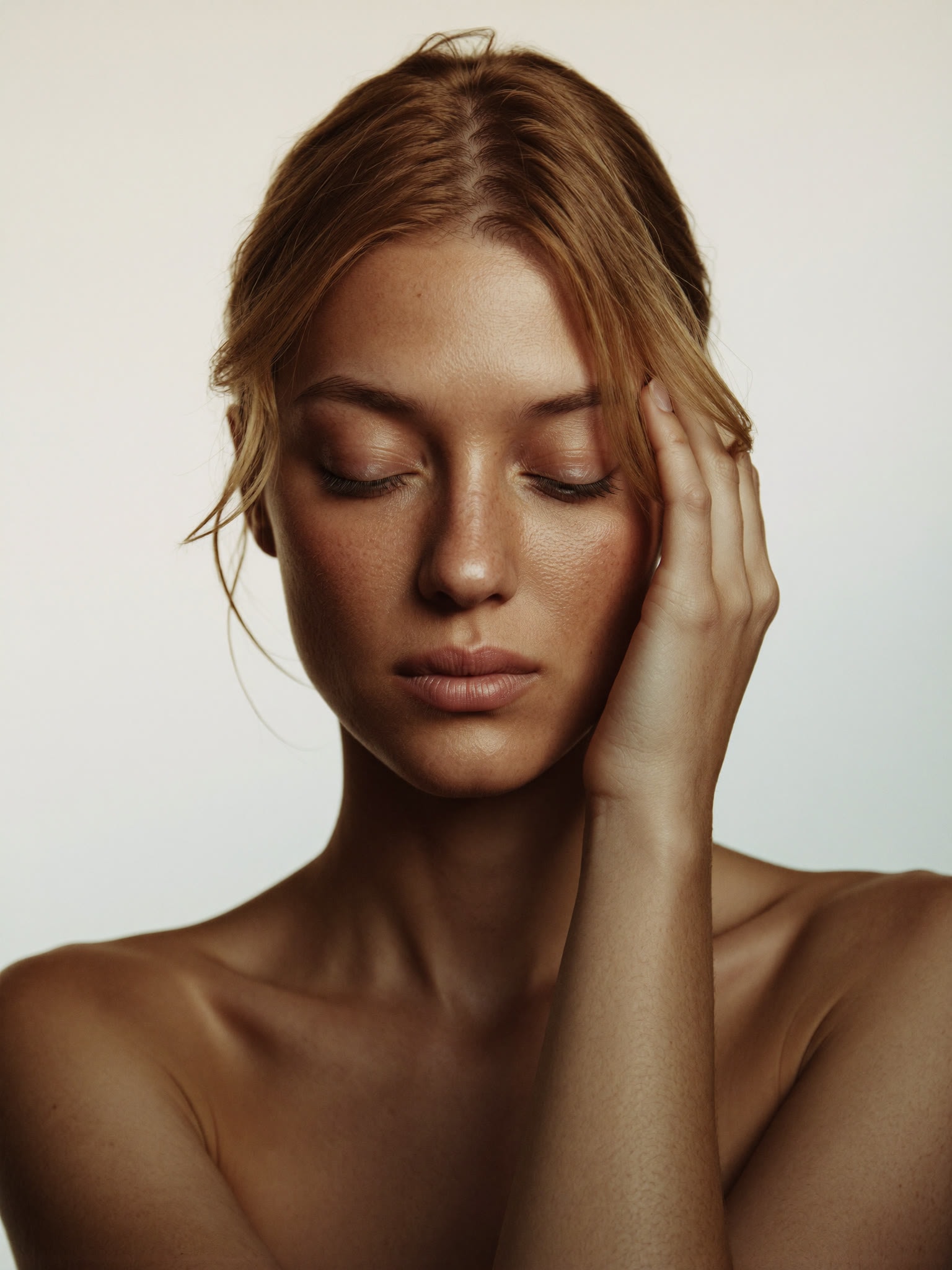
Treatment Areas
PRP is mainly used to improve the quality of the skin.
Face
On the face, PRP can refine skin texture, soften fine lines and pores, and improve firmness. Dark circles under the eyes and dull skin can also look fresher.
Acne Scars
For acne scars and other irregularities of the skin surface, PRP can stimulate collagen production. This can improve skin texture over time.
Neck and Décolleté
The skin on the neck and décolleté is particularly delicate. Here, PRP can support its elasticity and help counteract age-related sagging.
Connective Tissue
Where connective tissue is weak, the treatment can support skin elasticity. It can also help to improve the appearance of stretch marks.
Scalp
On the scalp, PRP can stimulate the hair follicles, add density to thin hair and support natural hair growth. PRP is also used after a hair transplant to strengthen the hair; suitability is assessed by a doctor beforehand.
How does PRP work?
PRP stands for platelet-rich plasma. For the treatment, a small amount of blood is drawn and prepared in a medical centrifuge, a device that separates the components of the blood. The speed and duration of centrifugation matter for the quality of the PRP, which is obtained under sterile conditions.
The plasma obtained in this way contains around three to five times more platelets (thrombocytes) than normal blood. These platelets contain more than 30 different growth factors, which act as natural signalling substances. Among other things, they stimulate the formation of collagen and elastin, the growth of new blood vessels and tissue regeneration.
The body responds to the fine injections much as it would to a small, controlled injury and activates its natural healing processes. PRP was originally used in orthopaedics and sports medicine. Aesthetic medicine applies the same regenerative principles to improve skin quality.
- Plasma from your own blood
- Concentrated platelets with growth factors
- Sterile preparation in a centrifuge
- Fine injections into the skin
- Effect develops over several weeks
Why PRP autologous blood treatment at Aesthetics Medical?
Your Own Plasma
The treatment draws on your body's own healing and regenerative processes and does not require any foreign material. The injections contain plasma prepared from your own blood.
All in One Appointment
Blood collection, preparation and injection all take place during the same appointment. The PRP is obtained under sterile conditions, and the whole appointment takes about an hour.
Medical Assessment
The treatment is carried out by our specialist, Dr. med. David Cerny, who also discusses suitability, possible treatment areas, the limitations of the method and risks with you in advance.
Effect over Time
The regenerative effect develops over several weeks, as natural repair processes take time. It can contribute to a long-term improvement in skin quality.
Fine Injections
The treatment is minimally invasive, and the PRP is introduced through a few fine needle pricks. If needed, we prepare the skin beforehand with a numbing cream.

What does the treatment involve?
Consultation
The first step is a detailed medical history and an explanation of what the treatment involves. We discuss your goals and expectations, what can realistically be achieved and whether combining PRP with other treatments makes sense.
Blood Collection
Approximately 20–60 ml of blood is then drawn from a vein in your arm and collected in special tubes.
Preparation
A medical centrifuge separates the blood into its components at a controlled speed. This takes around 10–15 minutes. The golden-yellow PRP is then prepared for injection under sterile conditions.
Injection
If needed, a numbing cream is applied around 30 minutes beforehand. The PRP is then injected into the previously agreed areas of skin using very fine needles.
Aftercare
A short observation period follows the injections, and you receive recommendations for the days ahead. The entire treatment takes about one hour.
Further Sessions
Further treatments usually follow at intervals of about four weeks, often three in total. The right number depends on the condition of your skin.
| Face | CHF 500 |
| Face, package of 3 | CHF 1'200 |
| Other treatment areas | on request |
You will receive the exact cost of your treatment plan after the consultation.
Frequently Asked Questions
How does the treatment work and how long does it take?
After the consultation, around 20–60 ml of blood is drawn from a vein in your arm and prepared in a centrifuge, which takes about 10–15 minutes. The PRP obtained is then injected into the designated areas of skin. Including a short observation period, the treatment takes around one hour.
Is the treatment painful, and is anaesthesia used?
The injections are given with very fine needles, and any pain is usually mild. How it feels varies from person to person. If you would like, a numbing cream can be applied around 30 minutes beforehand. We will discuss this with you before your appointment.
What risks and side effects are possible?
Slight swelling, redness, mild discolouration and tenderness may occur at the injection sites and usually subside within 24–48 hours. Small bruises occasionally develop, and after treatment of the lower eyelids swelling may last longer. As the material comes from your own body, allergic reactions are practically ruled out, and infections are very rare. Individual risks and your suitability are discussed in detail with a doctor before the treatment.
What should I consider before the treatment?
Before the treatment, we take your medical history and go through any medication you take. Please tell us if you take blood thinners or have a known blood-clotting disorder, as these may rule out PRP treatment. Before your appointment, you will also receive clear instructions, including on medication and sun exposure.
What should I consider after the treatment?
For the first 24 hours, avoid exercise, strenuous physical activity and strong sun exposure, and try not to touch or rub the treated areas. During the first week, saunas, steam baths and intense UV exposure should be avoided. After treatment of the scalp, wash your hair gently.
How long does recovery take after the treatment?
You can usually return to your normal routine quickly. Slight swelling or redness at the injection sites generally subsides within 24–48 hours. Avoid exercise on the first day, and make-up can be worn again from the following day.
Show all 11 questions
When do results become visible?
The effect builds gradually, as the body’s regenerative processes need time to work. First improvements may become visible after 2–4 weeks. The full result appears after around 6 weeks, because that is how long the body’s own regeneration takes.
How long do the results last?
The improvement can last around 6–12 months, although this differs from person to person. A top-up treatment after 6–12 months can help to maintain the effect.
How many sessions are usually needed?
A course of three treatments spaced around four weeks apart is common. The exact number depends on your skin condition and the area being treated. Your doctor will agree the treatment plan with you.
Who is the treatment suitable for?
PRP may be an option if you would like to improve your skin quality: fine lines, lax or dull skin, acne scars or weak connective tissue. Reasons against treatment include pregnancy and breastfeeding, active cancer, severe blood-clotting disorders, taking blood thinners and active skin infections in the treatment area. For other medical conditions, suitability is assessed on an individual basis.
How much does the treatment cost?
PRP treatment of the face costs CHF 500, and a package of 3 treatments for the face is available for CHF 1’200. Prices for other areas are available on request. As an aesthetic treatment, PRP is usually paid for privately; once your treatment plan has been agreed, you will receive an exact breakdown of the costs.
Personal Consultation
Start now.
Every treatment starts with a conversation and a 3D analysis.